Miami Beach Dermatologist for Melasma Treatment
Even, Radiant Skin Is Within Reach
Stubborn brown patches on your face aren't something you just have to live with. Expert melasma care starts here.
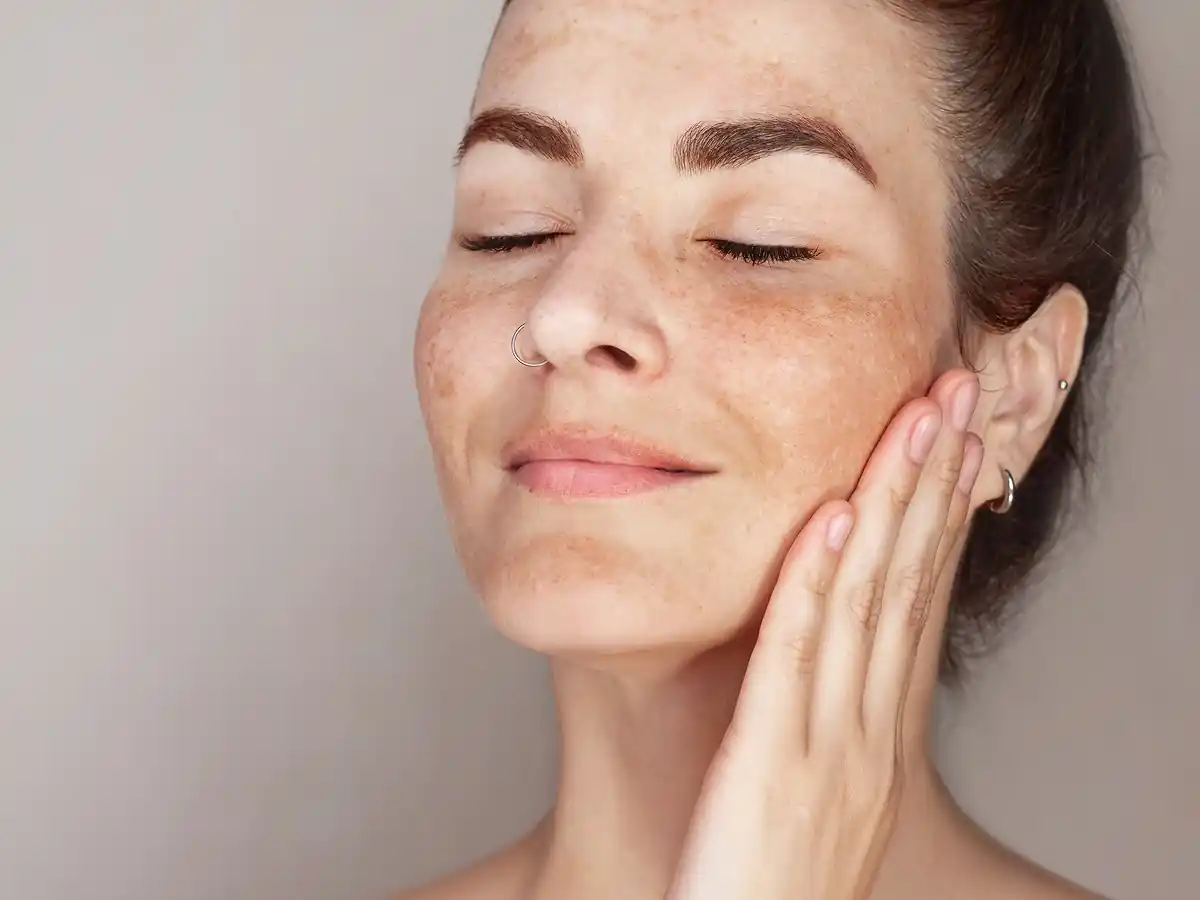
Melasma Dermatologist in Miami Beach, FL
Melasma Treatment from a Miami Beach Dermatologist
Brown patches on your cheeks, forehead, or upper lip can be hard to cover and harder to understand. If you've noticed areas of darker pigmentation that don't seem to respond to your usual skincare routine, melasma may be what you're dealing with. It's one of the most common pigmentation conditions seen by dermatologists, and while it's completely harmless, it can significantly affect how you feel about your skin.
Melasma treatment requires a careful, knowledgeable approach. At the Miami Center for Plastic Surgery & Dermatology, our team has the expertise to evaluate your pigmentation, identify contributing factors, and recommend a treatment plan built specifically for your skin. Dr. Andleeb Usmani and our providers understand that melasma can be stubborn and that results take time, which is why we focus on realistic expectations, consistent care, and ongoing support throughout your treatment journey.
For patients in Miami Beach, managing melasma comes with an added challenge: sun exposure. UV light is one of the primary drivers of melasma, and living in South Florida means your skin needs extra protection year-round. Our team will help you build a plan that addresses both treatment and prevention so you can protect your progress.
Melasma Causes, Symptoms, and the Best Treatment Options
What Is Melasma and How Is It Treated?
Melasma is a pigmentation condition caused by overactive melanocytes (the cells that produce skin color), creating excess pigment in certain areas. The result is flat patches of brown or grayish-brown discoloration, most often on the face.
Hormonal changes and sun exposure are the two primary drivers. Melasma frequently develops during pregnancy, which is why it's sometimes called the "mask of pregnancy," and it can also be triggered by hormonal contraceptives or hormone therapy. UV exposure intensifies existing pigmentation, which is why consistent sun protection is non-negotiable for anyone managing melasma.
Treatment typically combines prescription topical medications, professional in-office treatments, and daily broad-spectrum sunscreen. Results are gradual and require patience, but meaningful improvement is achievable with a consistent plan. Our providers will monitor your progress and adjust your treatment as your skin responds.
Frequently Asked Questions
What are the symptoms of melasma?
Melasma appears as flat patches of brown, tan, or grayish-brown discoloration, most commonly on the cheeks, forehead, nose, chin, and upper lip. It's usually symmetrical and doesn't cause pain or itching, but can be cosmetically bothersome.
What causes melasma to develop or worsen?
The two primary causes are hormonal changes and sun exposure. Pregnancy, birth control pills, and hormone therapy can all trigger or worsen melasma. UV light stimulates melanin production and can intensify existing pigmentation significantly, even on cloudy days.
What is the best melasma treatment available?
The most effective approach combines prescription topical treatments, professional in-office procedures, and strict daily sun protection. The right plan depends on your skin tone, pigmentation depth, and how your skin responds. A melasma specialist can evaluate your skin and recommend the most appropriate options.
Can melasma come back after treatment?
Yes. Melasma is a chronic condition, and recurrence is common, especially with sun exposure or hormonal changes. This is why ongoing maintenance and consistent sun protection are such an important part of any long-term melasma management plan.
How long does melasma treatment take?
Most patients begin to see improvement after several weeks of consistent treatment, with more significant results developing over a few months. The timeline varies depending on pigmentation depth and your skin's response. Your provider will set realistic expectations and check in regularly throughout your treatment.
Is melasma different from sun spots?
Yes, though both involve excess pigmentation. Sun spots are typically smaller, more defined, and caused purely by UV exposure. Melasma tends to appear in larger, more diffuse patches and is influenced by both hormones and sun exposure. They require different treatment approaches, which is why a proper diagnosis matters.
Does melasma affect all skin tones?
Melasma can affect anyone, but it's more common in people with medium to darker skin tones and in those with more sun exposure. Treatment approaches are tailored to your specific skin tone, as some options are better suited to certain complexions than others.
How do I find a melasma dermatologist near me?
Getting started is easy! Just call our Miami Beach office, and we'll set you up with a consultation to evaluate your skin and discuss your options. We look forward to helping you achieve a clearer, more even complexion!